From Wood to White Gold
It starts with a tree, but modern paper manufacturing is a high-tech feat of chemistry and engineering. Whether it is JK Paper in Odisha or Century in Uttarakhand, the process of turning raw wood into the A4 sheets on your desk is fascinating.
1. Sourcing with Responsibility
Contrary to popular belief, paper companies are not deforestation engines. Leading Indian manufacturers grow their own "social forests" — planting eucalyptus, poplar, and pine specifically for harvest. For every tree cut, 3-4 saplings take its place.
2. The Pulping
Wood chips are cooked in a chemical "soup" (the Kraft process) to separate cellulose fibers from lignin. Think of lignin as the natural glue holding the wood together. If you leave it in, you get brown cardboard. Take it out, and you get white paper.
3. Bleaching & Forming
The brown pulp is bleached using Elemental Chlorine Free (ECF) processes to get that bright white look without harming the environment. Then, it is sprayed onto a massive moving wire mesh. Water drains out, fibers lock together, and a sheet is born.
4. The Secret Sauce: Calendering
Why does copier paper feel so smooth? It passes through heavy steel rollers called "calenders" that press the fibers flat. This step is critical — if it is too rough, your printer jams. If it is too smooth, the toner won't stick.
5. The Final Cut
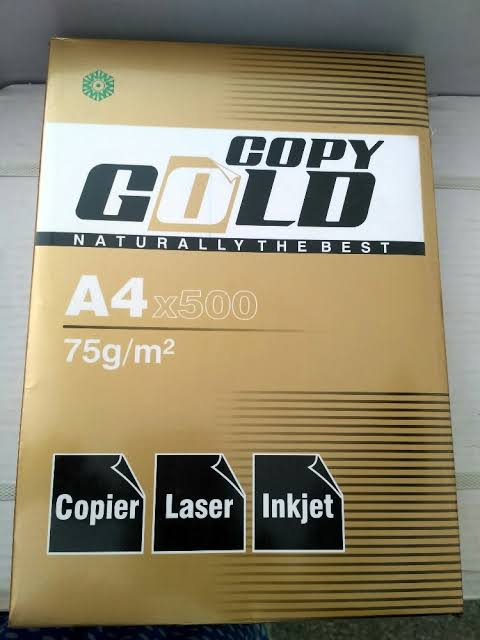
Huge rolls are sliced into A4 size with laser-like precision, wrapping 500 sheets into a ream. At Star Paper Product, we ensure every brand we stock meets these rigorous manufacturing standards before it ever reaches your office.
Need Paper for Your Business?
Contact Star Paper Product for wholesale pricing on 18+ premium brands.
Get a Quote on WhatsApp